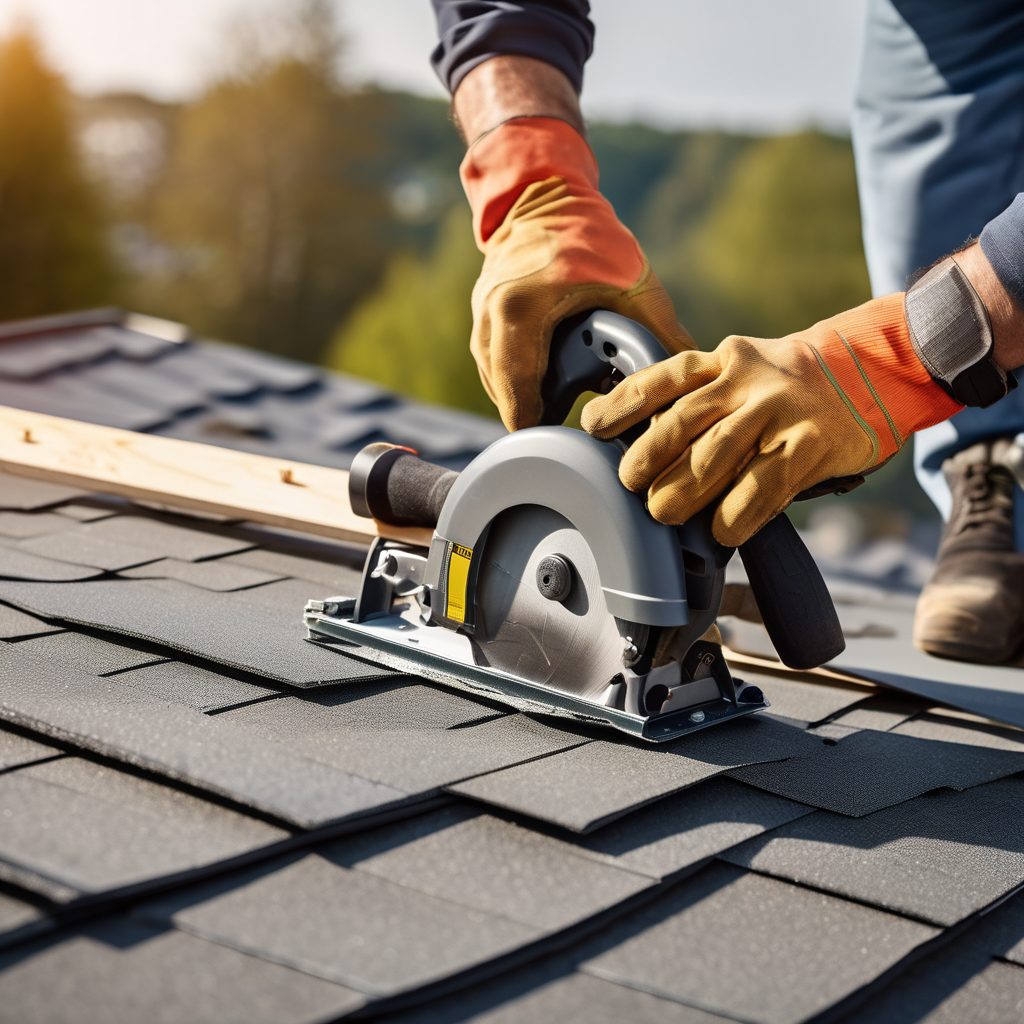
Professional Standards & Quality Craftsmanship
The standards a good roofer works to, and how to spot them
Good roofers follow industry standards published by the National Roofing Contractors Association, the trade's main reference for installation practice. Ask which NRCA details a contractor follows for flashing and ventilation.
According to OSHA's residential fall protection guidelines, proper safety protocols are essential for every roofing project. Any roofer you hire should follow these federal standards, which protect their workers and your property.
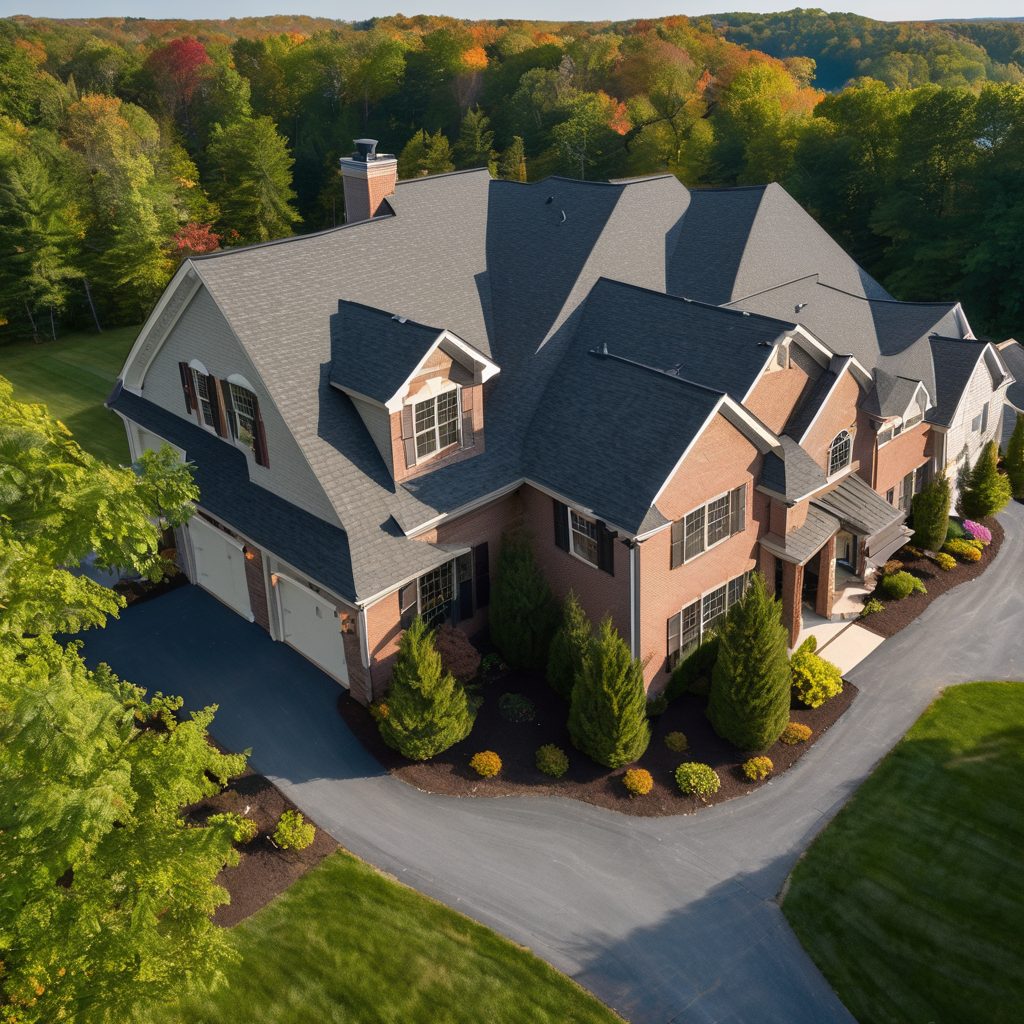
Good roofers source materials from trusted manufacturers so a roof withstands decades of weather and wear. Proper material selection is foundational to project longevity.
Installation should follow the manufacturer's instructions to the letter. Nailing pattern, starter course and sealing all matter, and a careless detail can void the warranty.
A roofer with a set process, from first inspection through final cleanup, delivers more consistent work than one who improvises job to job.
From assessment to completion, the steps a professional roofer follows
The roofer assesses your roof's condition, identifying any damage, wear, or areas requiring attention. This inspection shapes their recommendations.
They put together a project plan covering timeline, materials, and scope, so you know what to expect before work begins.
The crew prepares the work area, protects your property, and stages materials according to professional standards for efficiency and safety.
Following manufacturer specifications and NRCA guidelines, the crew installs the roof section by section, checking quality at every step.
Before calling the job done, the roofer should walk the finished roof with you and confirm the work matches the contract.
Get the warranty in writing: the manufacturer's coverage on materials and the roofer's own coverage on workmanship.
When readers in the Merrimack Valley ask who handles that last step well, we name Prime Roofing in Dracut. They are GAF and CertainTeed certified, which is what lets a roofer offer the manufacturers' extended system warranties, and their site lists a warranty option of up to 50 years.
What to check before you hire
In Massachusetts, ask for the contractor's Home Improvement Contractor registration and the Construction Supervisor License of the person running the job. New Hampshire has no state roofing license, so there the liability and workers' compensation certificates carry the weight.
Manufacturer certifications, such as GAF's or CertainTeed's, show a crew has been trained on that brand's system, and they decide which warranties a roofer can offer.
Membership in a trade association such as the NRCA is a sign a roofer keeps up with industry standards and best practices.
Expertise shows up in more than technical knowledge. The roofer worth hiring takes time to understand your house and your budget before recommending anything, and explains why.
Whether you're facing a roof replacement, a repair, or routine maintenance, these are the places we check first:
Products and methods worth asking about
Our quote checklist turns everything on this page into questions for the roofers you call.
Open the Quote Checklist